
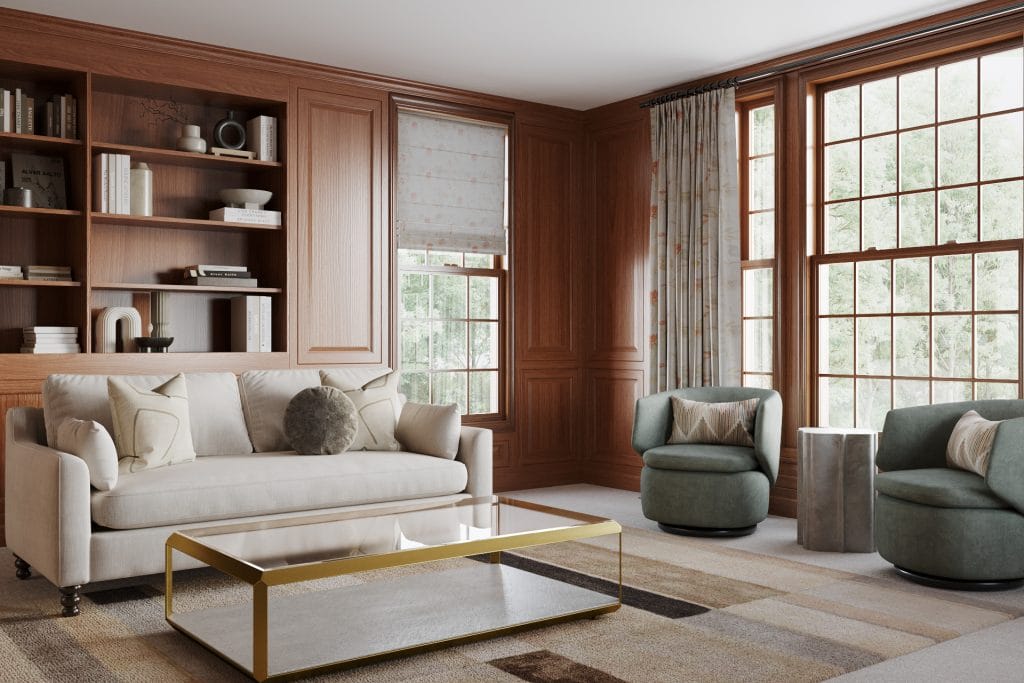
Are you planning your home interior design? You can try mixing textures and materials to create a space that feels inviting and aesthetically appealing.
When it comes to home interior design, mixing textures and materials is one of the most effective ways to create a space that feels dynamic and inviting. When you are changing the interior of your whole house or just revamping your living room, it is the best idea. You should know how to combine different textures and materials to level up your interior design game.
Maybe you don’t have those professional skills to do so; in this case, it is better to hire an interior designer. He knows how to mix and match textures and materials according to your space to get the best outcome.
Today, we'll give you an idea of how to mix textures and materials like a professional interior designer.
The Importance of Mixing Textures and Materials
Your home is a place where you enjoy your me time, gossip with family, chill, and relax after a tiring day outside. So it should be cozy, appealing, giving you a cozy vibe and a luxury feel.
Is your home outdated, and you want to change the interior design? You need to know that textures and materials do so much more than just make things look pretty. They affect how you feel in the room. The right mix brings warmth, comfort, and depth. If you stick with just one texture, the space can feel kind of flat and lifeless. But when you mix it up with different textures, suddenly, the room feels cozy, inviting, and full of personality.
Mixing materials helps you create a balance between hard and soft surfaces, glossy and matte finishes, and different colors and patterns. It’s all about playing with contrasts, pairing something rough with something smooth. Well, this part is a bit tricky. You have to ensure that the combination complements each other rather than creating clutter.
Let’s get an idea of different textures and materials for your home interior design.
Have a Look at Different Textures and Materials
To mix textures and materials effectively, you need to understand the different options available. Each material offers unique properties and characteristics that influence the overall mood of a room. Here's a breakdown of some common materials and textures used in interior design:
Wood
Wood is a versatile material that adds warmth and texture to any room. You can use it for making furniture, floors, wall panels, and accents. Whether you prefer the rustic charm of wood or the sleek elegance of polished oak, wood always brings a natural element to a space. Its grain and finish range from smooth to rough, offering many possibilities for layering with other materials.
Metal
Metals like steel, copper, brass, and gold add a sense of modernity and industrial flair to a space. They can be used in furniture legs, lighting fixtures, or decorative accessories. Metals can be sleek and shiny or matte and brushed, offering various textures that can be combined with softer materials to create balance.
Fabric
Textiles are often the easiest way to add texture to a space. Fabrics come in various finishes, from plush velvets to linens. Cushions, throws, curtains, and upholstered furniture provide a soft and tactile experience. Different fabric types can help to create a sense of comfort and luxury, which works well in living rooms and bedrooms.
Stone
Stone materials like marble, granite, and limestone offer a timeless elegance. They are often used in countertops, flooring, and accent walls. Stone has a unique texture that can add richness to a room. Polished stone gives a smooth, glossy finish, while rough-hewn stone offers a more natural, earthy feel.
Glass
Glass is commonly used for its clean, sleek, and transparent qualities. It’s ideal for elements like tables, light fixtures, and even walls. Textured glass, whether frosted, etched, or patterned, adds an extra layer of dimension without losing its light-reflective properties.
Leather
Leather is a luxurious material often used in furniture, such as sofas, chairs, and ottomans. It’s durable and adds a refined look to a space. Leather’s texture can range from smooth and glossy to matte and worn, making it adaptable to various design styles.
Concrete
Concrete is gaining popularity in interior design, especially for modern and industrial spaces. It’s often used for countertops, floors, and accent walls. Its rough texture and matte finish add an urban, minimalist touch to a room. When paired with softer textures, concrete creates a striking contrast.
Basics of Mixing Textures and Materials
There are some basics that you need to understand first for mixing textures and materials. Once you know them, the whole process will get easier for you. Let’s see how different textures and materials complement each other and create an inviting ambiance.
Start with a Base Material
Before getting your hands on mixing textures and materials, it’s a good idea to start with one dominant material as your base. This material will set the tone for the space and help guide your decisions for the rest of the design. For example, before choosing other things, get wood for your floors and stone for walls. It will bring stability and lay a solid foundation to layer other textures.
Balance Hard and Soft Textures
Now, the most important technique in mixing textures is to create a balance between hard and soft materials. Hard materials like stone, metal, and glass feel a bit cold or uninviting on their own. Soft materials, such as fabrics, leather, and wood, help to warm up these harder surfaces and add tactile comfort. For example, if you're planning your living room interior, you can add a sleek coffee table and balance it with a cozy wool or velvet rug. Worried about the cost when revamping your home? Read this: Can I Remodel a Bathroom For $5000?
Play with Contrasts
This is the main part. How to play with contrasts! Usually, people go for matchings, and it makes your space look cluttered and brings down the vibes. Contrasts create an exciting visual dynamic in a room. For example, pairing a rough-hewn wooden beam with a smooth, glossy marble countertop creates a compelling juxtaposition. Your aim should be to create tension and interest, not to overwhelm the space. You can mix and match different contrasts, such as shiny with rough, matte with glossy, and do it till you find the perfect interior for your home.
Layer Textures
Layering textures is one of the most effective ways to create depth and dimension in a space. You can start with larger elements. Choose furniture or flooring, and layer smaller items, like throw pillows, rugs, and accessories, on top. Now there is a wide variety available to choose from. Carefully plan which fabric texture will complement your bedding and what your upholstery should be so that it complements your curtains and flooring. Layering textures adds richness and creates a sense of warmth and comfort.
Start with a Neutral Color Palette
Okay, let’s talk color. You’d be surprised at how much the right color palette influences the way textures come across in a room. Neutral tones set the perfect backdrop for everything else. You can choose colors like beige, soft gray, taupe, and even white. These shades create a calm, balanced vibe, making your texture shine. If you go for bolder, brighter colors first, it can end up making the textures feel like they’re competing for attention. But with a neutral base, you’re creating a smooth, cohesive flow, and your textures naturally become the star. Imagine that beautiful velvet cushion sitting against a neutral sofa, it looks bomb.
Mind the Scale and Proportions
Now comes the size! Mixing textures and materials is all about creating the right balance. How amazing it will look if you pair a heavy leather sofa with tiny, delicate accessories. It just doesn’t work, right? You want to think about how everything fits together in terms of size. Large textures, like a big leather armchair, need to pair with equally large pieces, like a large wool rug. They need room to breathe. Too many small, intricate pieces in a space can make the room feel cluttered, and too many large items can overwhelm the space. This is why the scale of the textures and materials you pick matters so much. Small, intricate tiles? They’ll look better when paired with smaller furniture or simpler pieces.
Don’t Forget About Functionality
Okay, here's something important to remember: While textures and materials are all about making your space look good, they need to work with the way you live. For example, that plush, fuzzy rug you love? It might not be the best choice for a high-traffic area, like an entryway. Think about where each texture is going and how it’s going to hold up. Leather might look amazing on a sofa, but is it going to stand up to daily use? On the other hand, fabric is soft and comfy, but maybe it won’t wear as well in a busy living room.
Tips for Mixing Textures in Different Rooms
Now, let’s get into how you can actually use these ideas in different spaces of your home. Each room has its own vibe, and knowing how to mix textures in each will make your design feel like it was done by a pro.
Living Room
Ah, the living room is the place where you spend most of your time. This is where comfort and style need to meet, right? So, how do you bring the two together? Start with a focal point. Maybe it’s a plush sofa or a standout coffee table. Once you’ve got your anchor piece, begin layering contrasting textures around it. For example, picture a sleek leather sofa paired with a soft velvet throw or a metal coffee table with a cozy wool rug. The contrast here really makes each piece pop without overwhelming the space.
Don’t be afraid to mix wood and fabric textures either. A wooden coffee table with fabric cushions on your chairs adds warmth and depth to the room. You can also mix in metal accents for that modern touch, think metal legs on your furniture or some metal frames on your artwork. The goal is balance, soft against hard, smooth against textured.
Kitchen
In the kitchen, you need a good mix of beauty and functionality. You want things that look great but also stand up to daily use. A marble countertop looks elegant, but pair it with wooden cabinets to warm things up. This creates a balanced, timeless feel. Stainless steel appliances can give it a modern edge, but they also help break up the wood and marble.
And don’t forget about textiles! Textiles might seem like an odd choice for the kitchen collection, but small details like linen napkins, a woven basket for fruit, or a fabric runner on the table can introduce texture and warmth without going overboard. The kitchen is a place for practical beauty, so focus on durability as well as style.
Bedroom
Your bedroom should feel like a retreat. Mixing soft and luxurious materials is key here. Combine smooth, silky bedding with a rustic wooden headboard. Or, try layering textures with a velvet throw blanket over a cotton duvet. Mixing fabric textures, like a soft leather chair with light linen curtains, adds depth and interest without overwhelming the space.
This is your chance to really indulge in textures that make you feel cozy and relaxed. Velvet, linen, wool, these are the materials that’ll make your bedroom feel like a personal sanctuary.
Read this: Can I Remodel a Bathroom For $5000?
Bathroom
Bathrooms are a great place to play with shiny and matte textures. Polished marble or tile walls look gorgeous paired with matte wooden shelves or a concrete sink. It’s all about contrast. Adding soft cotton towels or plush bath mats will make the space feel more inviting. The goal here is to create a space that’s sleek but still feels cozy and comfortable.
Don't be afraid to mix in some glass elements, too. A frosted glass shower door or a clear glass vase can add subtle texture without making the room feel too busy. The bathroom is a place for both beauty and relaxation, so the right mix of materials will elevate the space.
Dining Room
The dining room is where meals and memories happen, so you want a space that feels both stylish and warm. Mixing textures here can create a refined yet cozy vibe. A wooden dining table paired with metal chairs strikes the perfect balance of rustic and modern. If you prefer a stone dining table, pair it with fabric-covered chairs for softness.
Adding natural textures, like a jute rug or a woven chandelier, can bring in earthy tones and soften the harder materials. The dining room is where texture mixing can really shine, bringing together the formal and the casual in a way that feels effortless.
Need an Interior Designer for Home Interior Design? Let’s Get Started
We hope these ideas, tips, and tricks will help you design your home interior. Still, do you think it's better to hire a professional interior designer? Obviously, they have the skills and expertise that everyone dont have. Well, you can contact Cucine Design NYC and hire the best interior designer.
Our designers are experienced in their field. They know how to mix and match textures and materials to create a perfect combination. They will keep you informed every step of the way and create a space that feels truly yours.
Call us today and book an appointment.