
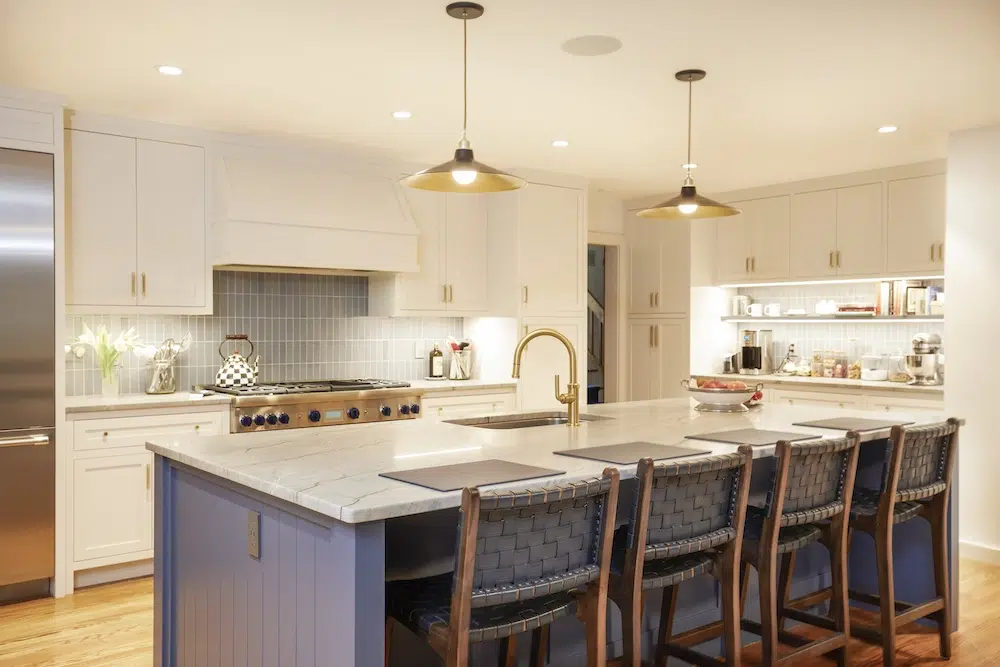
Are you planning to refresh your kitchen, but like so many people, the idea of breaking walls and dealing with endless permits haunts you? We understand, it's quite natural. For many homeowners, a kitchen renovation in NYC sounds overwhelming.
Well, we have good news for you. Now you can retrofit your kitchen without getting into major structural destruction. This way, you can save money, time, and stress and get a beautiful kitchen.
Today, we will be discussing how you can get a kitchen renovation or kitchen remodel in NYC without major structural work.
Step 1: Start With a Plan and a Realistic Budget
Before calling contractors or shopping for tiles, figure out what you want from your kitchen renovation in NYC. Do you need more storage? A brighter look? Better lighting? Write down what matters most.
Then set a clear budget. Even without major construction, costs can vary depending on materials and appliances. Set aside about 10 -15% as a cushion for surprises. Maybe you’ll find old wiring or need special protection in your building. A little buffer helps avoid stress later.
The big win with a retrofit is that you spend less on demolition and permits, leaving more money for quality finishes and design details.
Step 2: Know Your Building Rules
Every NYC building has its own rules. If you live in a co-op or condo, you’ll likely need board approval before doing any renovation. That includes showing proof of your contractor’s insurance, outlining what work will be done, and following the building’s working-hour limits.
Even if you’re not changing walls or plumbing, some work may still require city permits, like new electrical wiring or moving a gas stove. Ask your contractor to check what filings are needed.
Older buildings can also bring surprises like lead paint or asbestos. It’s better to know upfront so you can plan around any required testing or special handling.
Step 3: Design Within Your Existing Layout
NYC kitchens are usually compact galley kitchens, corner L-shapes, or one-wall styles. Retrofitting works perfectly for these spaces. The goal is to make the most of what you already have.
If your layout basically works, keep your sink, stove, and fridge where they are. Moving them means redoing plumbing or gas lines, which adds cost fast. Instead, focus on improving storage, lighting, and materials.
Think about vertical space. Tall cabinets that reach the ceiling can double your storage. If your old cabinets are still sturdy, you can reface or repaint them instead of replacing them. Add sleek handles and modern hardware to freshen the look.
Compact appliances like a 24-inch dishwasher or slim fridge can open up walking space without losing function.
Good lighting is another must. Most older NYC kitchens rely on one ceiling fixture, which makes everything feel dim. Add under-cabinet lighting or a stylish pendant to brighten your workspace and make the room feel larger.
Step 4: Choose High-Impact, Low-Disruption Upgrades
A retrofit is all about small changes that make a big difference. Focus on the parts that show and that make your kitchen easier to use every day.
Countertops and Backsplash: Changing old laminate counters for quartz or solid surface instantly upgrades your kitchen’s look. A simple subway tile or mosaic backsplash adds color and depth without touching walls or plumbing.
Cabinets and Hardware: If your cabinet boxes are solid, skip full replacement. Repaint or re-veneer them. Add new handles or knobs for a polished look.
Flooring: If your floor is uneven or old, replace it with durable tile or luxury vinyl. These look great, are easy to clean, and can be installed over your current subfloor.
Lighting: Good lighting can completely transform a kitchen. Install LED strips under cabinets, swap old fixtures for modern pendants, or add recessed lights if your ceiling allows it.
Appliances: Upgrade your old ones with newer, energy-efficient models that fit the same spaces. That way, you avoid changing wiring or plumbing.
Paint and Surfaces: A fresh coat of paint goes a long way. Bright neutrals like soft gray, cream, or white reflect light and make small kitchens feel open.
Step 5: Work With the Right Contractor
Even though you’re not gutting your kitchen, you still need a contractor who understands how to handle a kitchen remodel in NYC. City rules, delivery restrictions, and noise limits are no joke.
Ask for references from other city homeowners. Make sure your contractor has experience with apartment renovations and knows how to protect hallways, elevators, and common areas.
Before work starts, get everything in writing: what’s included, how long it’ll take, and how payments are split. Usually, payments are made in stages: after demolition, after installation, and after finishing touches.
Communication matters most. A good contractor will give daily or weekly updates and help you avoid surprises.
Also Read: The Most Popular Kitchen Layouts and Color Schemes
Step 6: Keep It Organized and Stay on Schedule
One reason retrofits work so well is that they move faster than full remodels. Still, even small delays can happen. Keep your materials ordered early, especially appliances or custom countertops.
Make a simple checklist: demolition, electrical, cabinet installation, counters, backsplash, painting, and cleanup. Check progress against it weekly.
Avoid last-minute changes. Every time you say, Actually, let’s also replace that faucet, it can add days or extra cost. Stick to the plan unless something is truly necessary.
Also, think about how you’ll live during the project. Cover nearby furniture, use disposable plates for a few weeks, and plan easy meals. Retrofitting causes less mess, but it’s still a temporary disruption.
Step 7: Installation and Final Touches
Once old surfaces are removed and the space is prepped, the transformation begins.
Cabinets are refaced or repainted, new hardware goes in, and counters are fitted. Then comes the backsplash, often the visual star of a retrofit kitchen.
Lighting is installed next. Even adding one pendant over the counter or under-cabinet lights makes the kitchen feel modern.
If you’re updating the floor, it’s usually one of the last steps, so it doesn’t get damaged by other work. Then painters come in to freshen the walls and trim.
Finally, appliances are installed and everything is cleaned up. It’s amazing how a kitchen can look completely new even though the walls and layout haven’t moved an inch.
Step 8: Enjoy Your Upgraded Space
Once everything’s done, take time to check all the details. Test each drawer and cabinet, make sure the lighting works, and confirm your contractor finishes any small touch-ups.
Then enjoy it. A bright, refreshed kitchen can change how your whole home feels. You’ll cook more, entertain more, and actually want to spend time in the space.
Keep records of warranties and receipts, just in case you sell or need future service. A well-documented kitchen renovation in NYC can boost your property value and reassure future buyers.
Mistakes to Avoid When Planning Kitchen Renovation or Remodeling in NYC
Even a small renovation can go off track if you’re not careful. Watch out for these common missteps:
Ignoring Lighting: Lighting is often treated as an afterthought. Poor lighting can make even a new kitchen feel dull. Plan where the lights will go from day one.
Forgetting Building Rules: Skipping board approval or not protecting hallways can lead to fines or work stoppages. Always check the rules first.
Trying to Move Too Much: The more you move sinks, gas lines, or walls, the more the project turns into a full remodel. Stick with your existing structure.
Choosing Cheap Finishes: It’s tempting to save on materials, but cheap countertops or paint won’t hold up. Spend where it matters most.
Ignoring Storage: Looks aren’t everything. Make sure your retrofit also improves how you use the space; drawers, pull-outs, or corner shelves can change everything.
Skipping a Contingency Budget: Old buildings hide surprises. Always keep extra funds ready so small issues don’t stall your project.
Also Read: What Are The Benefits of Kitchen Design Showrooms?
Why Retrofitting Works Best for NYC Living
New York City apartments have challenges that make full remodels tough, including limited space, old plumbing, shared walls, and strict building codes.
Retrofitting works around those limits. You still get a transformation, but with less mess and stress. Plus, you don’t have to move out for months or get caught in a maze of permits.
It’s also eco-friendly. By reusing cabinets, keeping walls intact, and avoiding unnecessary demolition, you waste less and save resources.
And when you sell your home, a clean, functional kitchen upgrade is a strong selling point. Buyers love modern finishes and good lighting, even if the layout is classic.
Quick Tips to Make It Shine
- Use light colors to make your kitchen look larger.
- Add a small rug or runner for warmth.
- Keep your counters clutter-free.
- Display a few plants or a bowl of fruit to add life.
- Swap dull outlets for sleek white or metallic ones.
- Add a magnetic knife strip or open shelf for everyday items.
Let’s Retrofit Your Kitchen Together
Cucine Design NYC is a place where creativity meets craftsmanship. Whether you need a full kitchen renovation in NYC or just minor tweaks, our expert team will do it without getting into major construction. We master the art of retrofitting to refresh your kitchen’s look within budget. Our team designs every detail to fit your lifestyle, including cabinets, lighting, countertops, etc.
Let’s bring new life to your kitchen with style and a touch of New York sophistication. Schedule your consultation today and see how easy it is to love your kitchen again.