
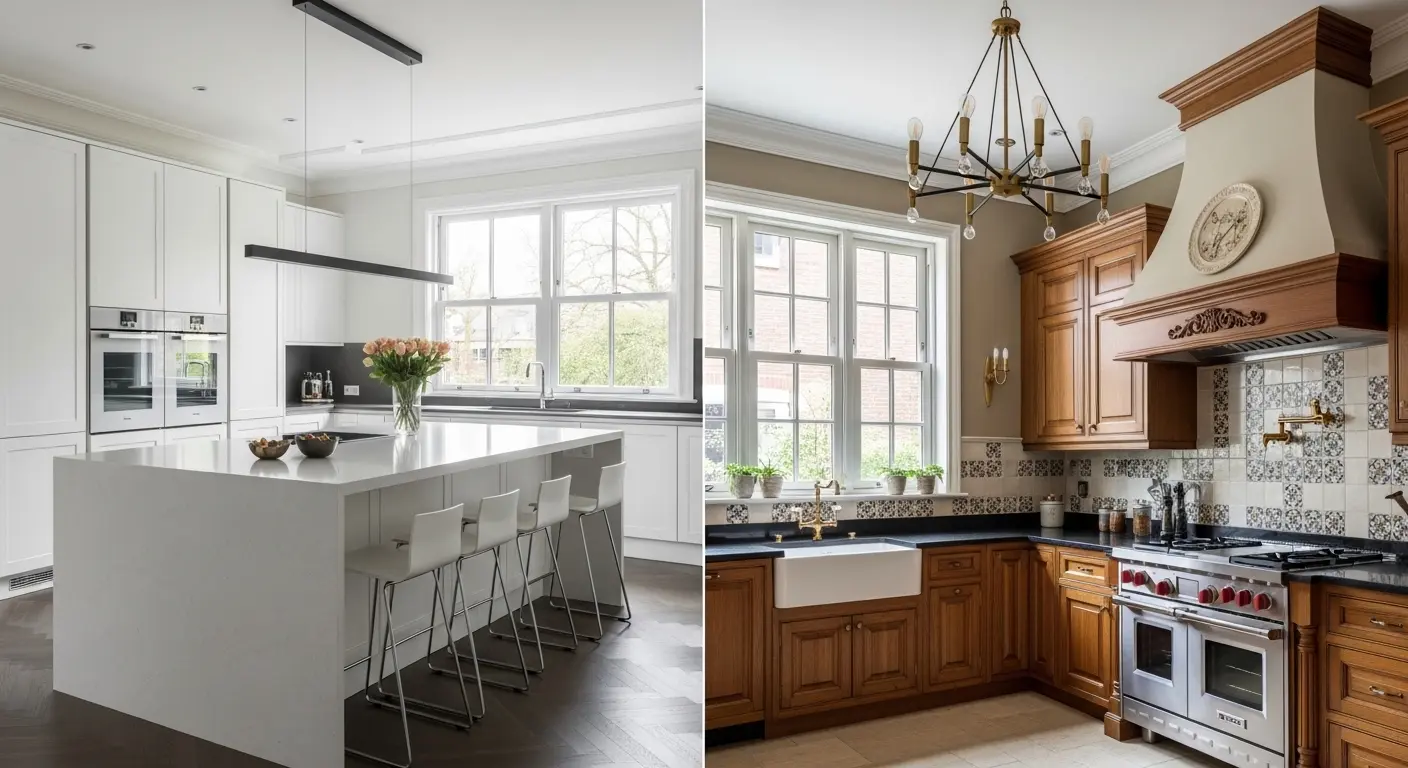
Choosing between modern and traditional kitchen design gets overwhelming. It’s more than just a place to cook, infact, it’s where conversations happen, where guests gather, and where daily life unfolds. Whether you're renovating or building from scratch, the right design shapes your lifestyle for years to come. Many homeowners today consult kitchen designers in NYC to navigate this decision, blending functionality with aesthetic appeal in a way that suits their personal taste.
Let’s discuss both styles in depth, helping you understand their defining features, strengths, limitations, and how each aligns with different lifestyles.
The Core Difference Between Modern and Traditional Kitchens
Before diving into details, you need to grasp the fundamental philosophy behind each style.
Modern kitchens emphasize simplicity, clean lines, and efficiency. Designers strip away unnecessary ornamentation and focus on function. Everything has a purpose.
Traditional kitchens, on the other hand, celebrate detail, warmth, and timeless charm. They draw inspiration from classic European and American styles, often incorporating craftsmanship and decorative elements.
In simple terms:
- Modern means minimal, sleek, functional
- Traditional means detailed, warm, classic
Your choice depends on how you live, what you value visually, and how much maintenance you're willing to handle.
Also read: How to Update Your Kitchen Without a Full Remodel
Features of Modern Kitchen Design
Modern kitchens stand out immediately because of their clean and uncluttered appearance. Every element feels intentional.
Sleek Cabinetry
Flat-panel cabinets dominate modern kitchens. You won’t find heavy carvings or ornate handles. Many designs use handle-less systems or integrated pulls.
Neutral Color Palettes
Modern kitchens lean heavily on whites, blacks, greys, and muted tones. Some designs incorporate bold contrasts, but they maintain a controlled and balanced look.
High-Tech Integration
Smart appliances, touch faucets, and built-in lighting systems define the modern experience. Everything works seamlessly.
Open Layout
Modern kitchens often blend into living and dining spaces. This layout encourages interaction and makes smaller homes feel larger.
Minimal Decor
Designers avoid clutter. Instead of decorative items, they focus on statement materials like marble, quartz, or stainless steel.
Advantages of Modern Kitchens
Modern design appeals to homeowners who want simplicity and efficiency.
Easy Maintenance
Flat surfaces and minimal detailing make cleaning quick and effortless. Dust and grease have fewer places to settle.
Space Efficiency
Modern kitchens maximize storage through smart cabinetry and hidden compartments. Even small kitchens feel organized.
Contemporary Appeal
A modern kitchen looks current and stylish. If you plan to sell your home in the future, buyers often prefer this aesthetic.
Better Technology Integration
Modern layouts accommodate the latest appliances and smart home features without disruption.
Challenges of Modern Kitchens
Despite their advantages, modern kitchens don’t suit everyone.
Can Feel Cold or Sterile
Without careful design, modern kitchens may lack warmth. Too much minimalism can feel impersonal.
Limited Personal Expression
The simplicity restricts decorative freedom. You need creativity to add character without clutter.
Higher Material Costs
High-end finishes like quartz, glass, or stainless steel can increase the overall budget.
Key Features of Traditional Kitchen Design
Traditional kitchens offer a completely different atmosphere. They focus on comfort, familiarity, and intricate detailing.
Detailed Cabinetry
Raised-panel cabinets, decorative moldings, and carved wood elements define this style.
Warm Color Schemes
Creams, beiges, browns, and soft pastels create a welcoming environment.
Natural Materials
Wood plays a major role in traditional kitchens. Stone countertops and ceramic tiles also appear frequently.
Classic Fixtures
You’ll often see farmhouse sinks, vintage-style faucets, and antique-inspired hardware.
Defined Spaces
Traditional kitchens usually remain separate from other areas, maintaining a structured layout.
Advantages of Traditional Kitchens
Traditional design continues to attract homeowners who value comfort and timeless beauty.
Warm and Inviting Atmosphere: Traditional kitchens feel cozy. They create a sense of home that modern designs sometimes lack.
Rich Character: The detailed elements allow you to express personality and craftsmanship.
Timeless Appeal: Trends come and go, but traditional kitchens rarely feel outdated. They age gracefully.
Customization Opportunities: You can mix textures, colors, and decorative pieces to create a unique look.
Challenges of Traditional Kitchens
Traditional kitchens also come with trade-offs.
Higher Maintenance: Detailed surfaces collect dust and require more cleaning.
Can Feel Cluttered: Too many decorative elements can overwhelm the space.
Less Space Efficiency: Traditional layouts may not maximize storage as effectively as modern designs.
Limited Tech Integration: Incorporating modern appliances without disrupting the aesthetic can be tricky.
Lifestyle Considerations: Which Style Fits You?
Your daily habits should guide your decision more than trends.
Choose Modern If:
- You prefer clean and organized spaces
- You enjoy smart technology
- You live in a small apartment or urban home
- You want low-maintenance surfaces
Choose Traditional If:
- You love cozy, detailed environments
- You cook frequently and value a homey feel
- You enjoy decorating and personal touches
- You live in a larger home with defined spaces
Many homeowners who work with kitchen designers in NYC find that their lifestyle, not just taste, ultimately determines the best fit.
Budget Considerations
Cost plays a major role in kitchen design decisions.
Modern Kitchen Costs
Modern kitchens often use high-end materials and appliances. While the design looks simple, the materials can drive up costs.
Traditional Kitchen Costs
Traditional kitchens vary widely in cost. Custom woodwork and detailed cabinetry can become expensive, but you can also find budget-friendly options.
Hidden Costs to Consider
- Installation complexity
- Appliance upgrades
- Lighting systems
- Maintenance over time
A well-planned budget ensures you don’t compromise quality.
Mixing Modern and Traditional: The Transitional Approach
You don’t have to choose one extreme.
Transitional kitchens combine elements from both styles. This approach has become increasingly popular, especially among homeowners who want balance.
What Does a Transitional Kitchen Look Like?
- Clean cabinetry with subtle detailing
- Neutral colors with warm accents
- Modern appliances with classic finishes
- Simple layout with a cozy atmosphere
This style offers flexibility and avoids the rigidity of sticking to one design philosophy.
Materials and Finishes: Let’s Compare
Materials define the personality of your kitchen.
Modern Materials
- Quartz and engineered stone
- Stainless steel
- Glass and acrylic
- Polished surfaces
Traditional Materials
- Solid wood
- Natural stone
- Ceramic tiles
- Matte finishes
Each material affects durability, maintenance, and overall appearance.
Storage Solutions in Modern vs Traditional Kitchens
Storage can make or break your kitchen experience.
Modern Storage
Modern kitchens prioritize hidden storage:
- Pull-out cabinets
- Built-in organizers
- Concealed appliances
Traditional Storage
Traditional kitchens use visible storage:
- Open shelves
- Glass-front cabinets
- Decorative storage units
Your preference depends on whether you want a clean look or a lived-in feel.
Lighting Design: Setting the Mood
Lighting influences both function and atmosphere.
Modern Lighting
- LED strips
- Recessed lighting
- Minimal fixtures
Traditional Lighting
- Chandeliers
- Pendant lights
- Warm ambient lighting
Combining both styles can create a dynamic and functional space.
Resale Value: Which Design Wins?
If you plan to sell your home, design choice matters.
Modern kitchens often attract younger buyers and urban homeowners. They signal convenience and updated living.
Traditional kitchens appeal to buyers who value charm and character. They often stand out in suburban or larger homes.
Consulting experienced kitchen designers in NYC can help align your design with market trends.
Also read: Best Kitchen Layouts for Small Spaces
Common Mistakes to Avoid
Regardless of your choice, avoid these pitfalls:
Overdesigning
Too many elements, whether modern or traditional, can overwhelm the space.
Ignoring Functionality
A beautiful kitchen must still work efficiently.
Following Trends Blindly
Trends fade. Focus on what suits your lifestyle.
Poor Lighting Planning
Lighting affects usability more than most people realize.
How to Decide: Smart Approach
If you’re still unsure, follow this step-by-step method:
- Evaluate your daily routine
- Identify your aesthetic preferences
- Set a realistic budget
- Explore real-life examples
- Consult professionals
Many homeowners turn to kitchen designers in NYC to refine their vision and avoid costly mistakes.
Achieve Your Dream Kitchen Design With Cucine Design NYC
With Cucine Design NYC, you get to work with professional kitchen designers in NYC. Whether you prefer a sleek contemporary space or a warm, classic atmosphere, our approach focuses on blending beauty with everyday functionality.
From premium cabinetry to smart storage solutions, every detail receives careful attention. We know how to maximize space while maintaining a refined look, making them a trusted choice. Call us now and let’s get started.