
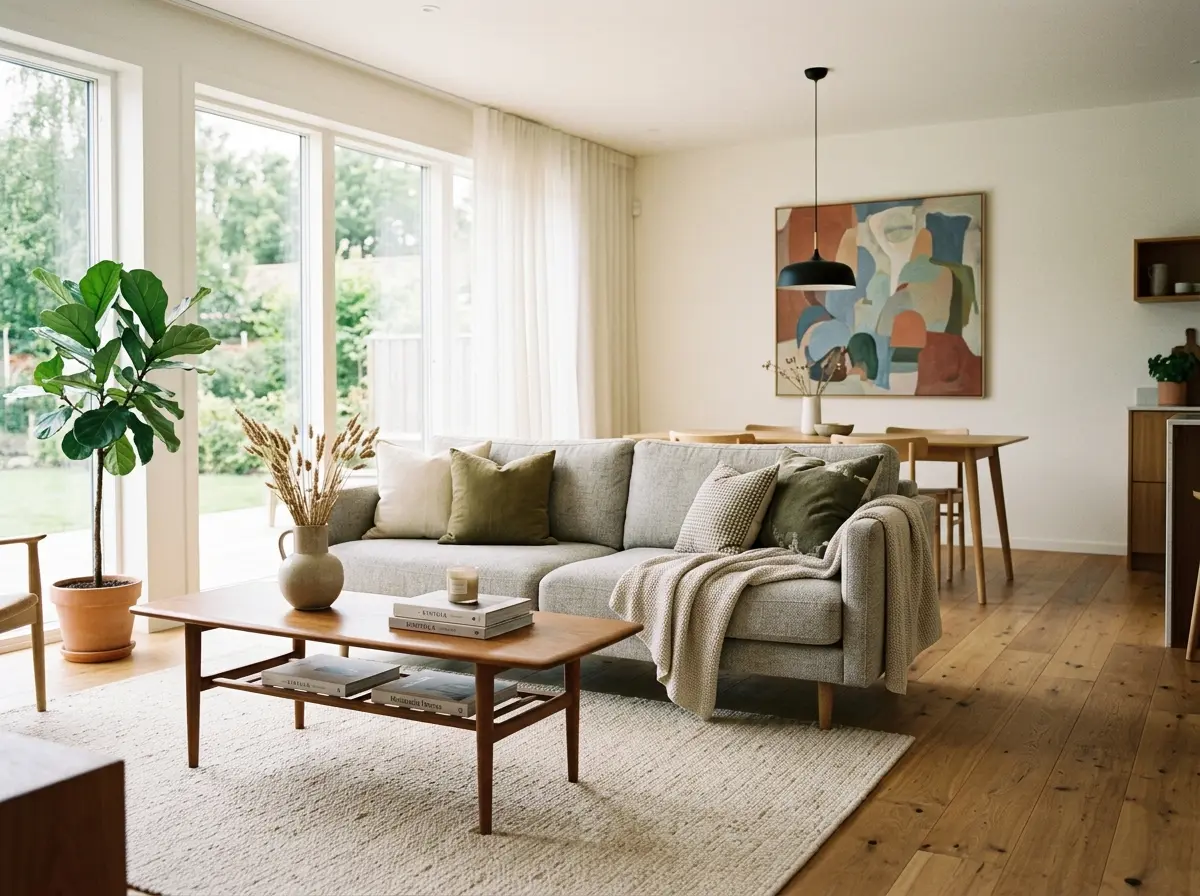
You want a home that looks pulled together, yet the path to get there hides a hundred small decisions, and most of them pull against each other. That is the gap a full-service home interior design package is built to close. Instead of juggling contractors, showrooms, and delivery dates on your own, one team carries the project from the first idea to the last cushion.
This guide walks through everything a full package covers, so you know what you are paying for before you sign anything.
What “Full-Service” Means in Home Interior Design
Full-service is the difference between getting advice and getting a finished room. A consultation-only service hands you a mood board and a shopping list, then leaves you to manage the rest. An e-design package works over email and gives you a plan to execute yourself. A full-service home interior design package runs the entire project from end to end, from measuring your space to placing the final piece of art on the wall.
In plain terms, a full package means the interior designer owns the outcome, not just the ideas. They plan the layout, choose the materials, order the furniture, coordinate the trades, and stand on site when it all comes together. You make the big calls on style and budget. The team handles the follow-through, the phone calls, and the problems that show up when a delivery runs late or a cabinet arrives in the wrong finish.
What a Full-Service Package Includes
Packages vary between firms, yet a full-service scope in home interior design usually covers the same core deliverables. Here is what sits inside a complete package:
- A discovery consultation to map your goals, lifestyle, and budget
- Space planning and floor layouts that fix how each room works
- Concept boards, color palettes, and 3D renderings so you see the space before work starts
- Selection of materials, finishes, cabinetry, tile, and lighting
- Furniture and decor sourcing, including trade-only vendors you cannot access on your own
- Procurement and order tracking, so someone else chases the shipping dates
- Coordination with contractors, electricians, and plumbers during the build
- Final installation and styling on reveal day, down to the smallest detail
Not every project needs all of it, and a good team scales the scope to fit your home and your spend. The value sits in the handoff between these steps, since that is where most self-managed projects fall apart.
The First Conversation: Consultation, Budget, and Scope
Every strong project starts with questions, not fabric swatches. In the first meeting, a skilled interior designer learns how you live, who uses each room, and what the space is missing today. The designer measures the space, notes existing conditions like plumbing lines and window placement, and records the pieces you want to keep. A good brief captures the practical must-haves as much as the mood, since a family with young kids and a couple who host dinner parties need very different homes even inside the same square footage.
This is also where budget gets an honest look, because a number set early keeps every later choice grounded. Scope gets locked here too. You decide whether the package touches one floor or the whole home, whether it is a light refresh or a full renovation, and how the timeline lines up with your life. Clear scope up front is what protects you from the slow creep of extra rooms, extra costs, and a plan that no longer matches the money you set aside.
From Layout to Look: Space Planning and Concept Design
Once the goals are set, the work turns to how the space functions and how it feels. These two jobs are separate, and a full package handles both.
Space Planning That Fixes How Rooms Work
Space planning decides where walls, doorways, furniture, and traffic paths land. It is the least glamorous part of home interior design, and it is the part that saves you from a good-looking room you cannot move through. A designer maps clearances, sight lines, storage, and lighting zones so the layout works before a single item is bought.
Concept Boards and 3D Renderings
Next comes the visual language: color palettes, materials, and mood boards that set the tone. Many teams add 3D renderings so you walk through the room on a screen before the build starts. This step removes guesswork. You approve the look while changes still cost nothing, rather than after the tile is already on the wall.
Materials, Finishes, and Furniture Sourcing
This is the stage where a package shows its muscle. A full-service team selects every finish and product, from flooring and countertops to cabinet hardware and pendant lights. For rooms that carry the most weight, like a kitchen, the choices run deep, which is why detailed kitchen design sits at the center of many whole-home projects.
Sourcing is also where the money math shifts in your favor. Designers buy through trade accounts and pass along access to vendors closed to the public. Trade pricing on furniture and materials often runs 20 to 40 percent below retail, and on a large furnishing budget, that discount can cover a real portion of the design fee. The team also manages lead times, which is where many home projects stall. Custom cabinetry and imported stone can take weeks or months, and a package plan orders around that calendar instead of discovering it late. You approve physical samples of finishes and fabrics before anything is ordered, so the color on the wall matches the color in your head.
A package spares you the quiet cost of decision fatigue too, the hours lost comparing forty sofas that all start to look the same after the tenth browser tab.
Project Management and Installation Day
Design on paper means little without someone steering the build. In a full package, the team coordinates contractors, tracks orders, and keeps the schedule honest, so you are not the one calling the plumber and the cabinet maker on the same afternoon. When a product arrives damaged or a trade runs behind, the designer solves it, and you hear about the fix instead of the fire.
The last step is installation. The team places furniture, hangs art, dresses the beds, and styles the shelves until the space matches the plan you approved. Before you settle back in, they run a punch list, checking every fixture, drawer, and seam, and correct the small misses that separate a near-finished room from a done one.
This reveal day is the moment the whole package pays off, because a room styled by one hand reads as finished in a way a self-assembled space rarely does. You walk in, and it looks like the renderings, only warmer.
What Does a Full-Service Home Interior Design Package Cost?
Cost is the question behind every other question, and the honest answer is that it depends on scope, size, and the level of finish you choose. What stays consistent is how designers structure their fees. Most work from a few common models, which the American Society of Interior Designers lays out:
- Flat fee: one set price for a defined scope, from concept through installation
- Hourly rate: billing for the actual time spent on your project
- Cost-plus: the designer buys products at trade price and adds an agreed percentage
- Percentage of project: a share of the total build and furnishing budget
- Per square foot: a rate applied to the size of the space
Many teams combine two of these, such as a flat design fee plus a markup on what they purchase for you. In NYC, rates tend to run higher than the national average because demand and operating costs are higher here. A mid-range whole-home project often lands in the tens of thousands once furnishings are counted, while high-end homes climb well past that. The value is not only in the look. It also sits in the costly mistakes you never pay to redo, the change orders you avoid, and the weeks you get back.
Let One Experienced Team Handle It All
A half-managed renovation is where budgets slip, timelines stretch, and rooms end up close to right but never quite finished. A full-service package lifts that weight and puts one experienced team in charge of the result. If you are tired of pinning ideas you cannot bring together on your own, this is the path that turns them into a home you walk through with pride.
At Cucine Design Co., we handle home interior design from the first planning session through materials, production, and final styling, backed by more than 37 years of collective industry experience across kitchens, baths, closets, and whole homes in NYC. When you are ready to see what a complete package looks like for your space, get in touch with our team for a free planning session and an estimate built around your home.