
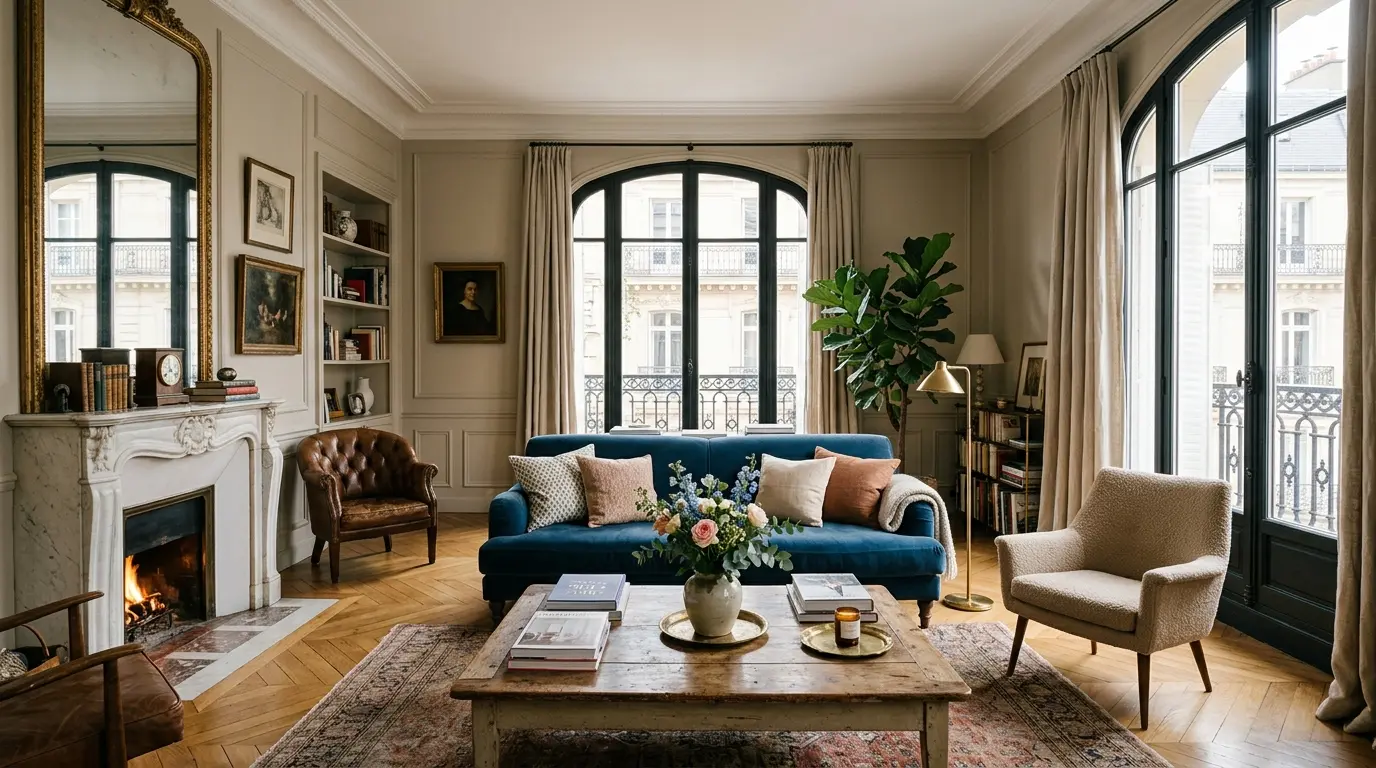
Space in NYC homes is generally short, and every square foot comes with a high price tag. Owners of apartments and homes all push for a style that looks high-end and still works hard. Most people who search for home design in NYC now ask about this style because it fits tight floor plans, busy daily life, and high standards. This blog walks you through what European home design means, where it came from, and why both commercial buildings and homes across the city pick it as their first choice.
What Does European Home Design Mean?
European home design is a style shaped by ideas from Germany, Italy, Scandinavia, and France. It values clean lines, smooth finishes, hidden storage, and build quality over loud, showy detail. In most rooms with this look, you will notice no wasted corner, no clash of colors, and nothing left out on the counter.
The main features of this style include:
- Flat-front cabinets with push-to-open hardware that hides handles fully out of sight
- Stone, glass, and matte wood mixed in one room without any clash
- Soft tones such as warm grey, cream, walnut, and deep black across surfaces
- Integrated appliances hidden behind cabinet panels that match the rest of the run
- Layered lighting with cove strips, slim pendants, and under-cabinet glow
- Floor-to-ceiling units that use full vertical space and add storage volume
This is the reason you see European looks in luxury condos, boutique hotel lobbies, modern offices, and high-end restaurants across the city. For full options on layout and finish, you can also check our home design in NYC service page.
Read More: Home Office Interior Design Ideas for NYC Apartments
A Short History Behind the European Home Design Style
European home design was pulled from the Bauhaus school of Germany in the 1920s, where form followed function and shape served use. Italy added warmth and craft through brands like Boffi, Poliform, and TM Italia. Scandinavia brought light wood and a quiet, minimalist mood. France added polish, softness, and a hint of formal grace to the mix.
Over the decades, these schools fused into one global look that now leads design magazines and high-end projects worldwide. The Joint Center for Housing Studies at Harvard reports that remodeling spending keeps growing each year in dense metro areas, and a big share of that money goes into clean-line European kitchens and baths.
Why European Design is Popular in NYC Over Other Styles
NYC is far from a suburb. Buildings here are old, walls are thick, and rooms are smaller than the US average. Recent market data shows median Manhattan apartments hover near 700 square feet, and offices in Midtown also pack staff into tight floor plates. That space crunch is the core pain point European design solves with smart layout choices.
Smart Use of Tight Floor Plans
European cabinets and built-ins use every inch from floor to ceiling without leaving dead space. Corner units hide pull-out racks, narrow drawers stack three layers high, and slim pantries fold into wall cavities. For commercial owners, this means a small café's back-of-house holds more stock without paying for extra square footage. For homeowners, a one-bedroom in Chelsea can feel close to a two-bedroom unit in Brooklyn.
Clean Looks That Match Modern Brands
Co-working brands, design studios, law offices, and boutique fashion stores all want a calm space that clients trust on first walk-in. Loud, busy interiors feel cheap and dated within a few years. European design uses muted shades, soft lighting, and clean joints that look fresh for a long time. This look lifts the tone of any commercial floor and helps brands feel high-end without trying too hard.
Long Life of Materials
NYC weather is hard on cheap finishes. Steam pipes, summer humidity, and winter dry heat all wear down low-grade boards and hardware. European cabinets use moisture-resistant boards, German hinges rated for 50,000 open-close cycles, and stone surfaces that handle daily scratches without dulling. For a busy restaurant kitchen or hotel lobby, that life span gives a quick payback on the upfront cost.
How European Design Helps NYC Homes
Even with strong commercial pull, European ideas still rule the home floor. A growing share of homeowners across the city now ask for this look in their first big remodel.
Kitchens That Feel Bigger
A New York kitchen is often less than 100 square feet by floor area. With flat-panel cabinets, hidden fridges, and matching stone tops, the eye reads the kitchen as one block, not many parts. That visual trick adds breathing room without moving a single wall. Owners who plan full kitchen renovations with this style notice a different feel within days of moving back in.
Bathrooms With a Spa Feel
Small NYC bathrooms turn into small spas with the right European fittings. Wall-hung vanities free up floor space, hidden cisterns slide behind tile walls, and glass shower doors run floor to ceiling. Warm grey tile and soft brass tap fittings bring a calm tone after long work days in the city.
Closets That Hold More
NYC closets are tiny in most pre-war buildings, and missing in many studio units across Manhattan. European wardrobe systems fit floor to ceiling and use sliding doors that need no swing room. Inside, pull-out shoe racks, jewelry trays, and tie holders sort every item with no clutter on display.
Pain Points European Design Solves for NYC Owners
Here is a list of the biggest issues we hear from clients across the five boroughs, and how this style fixes each one:
- Not enough storage in small rooms or back-of-house zones
- Old, dated look that drags down rent or resale value
- Cheap rebuilds that fall apart within three to five years
- Noisy drawer slams and loud daily kitchen sounds
- Hard to wipe surfaces that trap dust and grease
- Mismatched finishes that make the space feel chopped up
A 2023 Remodeling Cost vs Value Report by Zonda Media has shown that kitchen and bath upgrades give one of the top returns on cost in dense urban markets. NYC fits that pattern, with European finishes often pulling the highest offers on resale day.
Common Materials and Brands in European Home Design
Top names you will see in NYC European projects include TM Italia, Boffi, Poliform, Bulthaup, Dornbracht, and Lacava. These brands work with:
- High-pressure laminate and matte lacquer cabinet finishes
- Engineered stone such as Dekton, Neolith, and Caesarstone surfaces
- Solid oak, walnut, and ash veneers across doors and panels
- Brushed brass, matte black, and stainless steel hardware fittings
- Glass front cabinets paired with hidden LED light strips
- Stone backsplashes that flow up the wall as a single seamless slab
These materials and brands are now sold and installed across many NYC showrooms, with Manhattan leading supply for both commercial and homeowners across the metro.
Also Read: How to Choose the Right Flooring for Every Room in Your Home
What to Look for in a NYC European Design Team
If you want this style for your office, store, or apartment, the team you pick will shape the final outcome. Some pointers to keep in mind:
- Years of work inside the NYC market, since building codes here differ from those in other US cities
- Direct supplier links with European brands rather than third-party reseller chains
- A working showroom you can walk through, and where you can touch samples
- A design process that covers planning, design, materials, and full build under one roof
- Strong references from both commercial and home jobs across recent years
The last point matters most of all. A team that only handles homes may miss commercial code rules. A team that only handles offices may miss the small comforts a home needs.
Make the Move Before the Next Lease Cycle
NYC keeps moving fast. Office leases shift, retail brands open and close, condo boards push for upgrades, and homeowners chase a calm corner inside a loud city. The space you live or work in shapes how you feel, how staff perform, and how guests judge your brand. European design fixes the daily pain of cramped, cluttered, dated rooms with smart layouts, clean looks, and long-lasting materials. The cost of waiting another year is more time lost inside a space that drags you down each morning. The cost of acting today is a building or home that lifts every visit, every meeting, and every meal.
We at Cucine Design Co. focus on European-style home design in NYC for apartments across all five boroughs. Our team handles planning, design, material picks, and full build under one roof through our sister production arm. To start your project, contact our team and book a free planning session at our Flatiron showroom.