
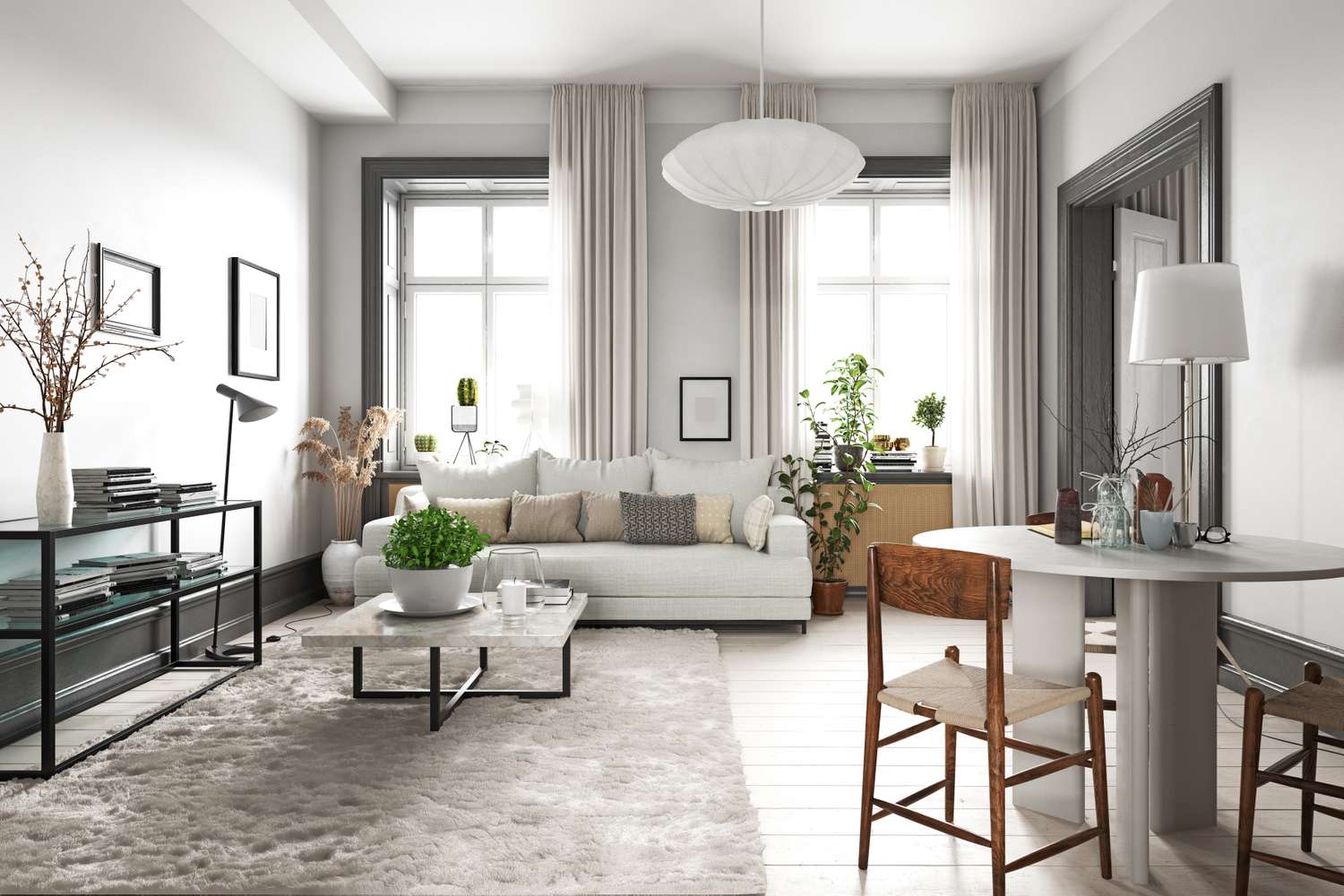
New York is a fast-paced place where life never stops for a moment. The same goes for interior design trends. One season, you see chrome and glass. The next time you see limewash and walnut. 2026 looks bold, warm, and smart.
If you are planning to upgrade your home, you must follow the 2026 NYC home design trends to stay modern and up to date. Let’s discuss the trends in detail.
Top NYC Home Design Trends for 2026
Deep, Saturated Color Palettes
The era of minimalist neutrals and millennial gray is over. In 2026, New York interiors are embracing rich, emotional tones like dark teal, oxblood, espresso brown, smoky jade, and aubergine. Designers are using these shades on accent walls, cabinetry, and velvet upholstery to create drama in compact spaces. The mood is sophisticated, cinematic, and slightly nostalgic; a rebellion against the sterile minimalism of the early 2020s.
Texture, Craft, and Material Layers
Luxury in 2026 is defined by tactile depth rather than excess. Expect plastered walls, lime-wash finishes, hand-carved wood panels, and mixed stones. Brass, onyx, and travertine are being used alongside warm oak and walnut. Sculptural lighting, with fluid, organic shapes, replaces ordinary fixtures. Custom millwork and built-ins are key for urban apartments, adding character while maximizing function.
Multi-Functional Urban Living
NYC homes continue to shrink, but functionality keeps expanding. The post-pandemic trend toward hybrid spaces now feels permanent. Fold-away desks, Murphy beds, movable partitions, and storage walls define flexible living. Smart technology is fully integrated, not flashy, but seamless: voice-controlled lighting, under-cabinet sensors, and invisible sound systems built into furniture or ceilings.
Sustainability and Conscious Luxury
Designers are prioritizing ethical materials and long-term durability. Reclaimed wood, recycled metals, and vintage furniture are being curated into contemporary settings. There’s a strong move toward quality over quantity: fewer pieces, but better-made. Many NYC design firms are incorporating carbon-neutral paints, low-VOC finishes, and locally sourced stone to meet eco-design standards without sacrificing aesthetics.
Statement Floors and Pattern Revival
Floors are no longer background elements. In 2026, expect herringbone and chevron parquet, dark walnut stains, geometric tiles, and even patterned terrazzo. Checkerboard marble and encaustic tile borders are also resurging, especially in entryways and bathrooms. These patterns help define zones within open-plan apartments while giving personality to compact rooms.
Also read: Top Home Design Trends for 2025 You’ll Actually Want to Try
Nature Inside the City
Biophilic design remains dominant but subtler than the plant-wall craze of past years. Interiors now feature organic shapes, natural fibers, and earth-inspired palettes: clay, moss green, ochre, sand, and copper. Designers are integrating indoor trees, rattan textures, linen drapery, and raw stone countertops, bringing calm to the city’s intensity. Even small NYC terraces are turning into curated green retreats.
Vintage Modernism
Mid-century silhouettes are being reimagined with softer lines and skirted bases. Vintage finds from Art Deco mirrors to 1980s Italian lighting are paired with modern furniture. The mix of eras feels personal rather than curated, echoing New York’s layered cultural identity. Expect bespoke upholstery, rounded forms, and an avoidance of anything that looks mass-produced.
Expressive Walls and Ceilings
Wallpaper is back, but not as your grandmother’s florals. Murals, textured grasscloth, metallic prints, and lacquered finishes are being used in entryways, bedrooms, and powder rooms. Even ceilings are getting attention through color blocking or architectural molding. For renters, peel-and-stick designs and fabric wall panels make this trend accessible without commitment.
Warm Minimalism
Minimalism remains, but it’s no longer cold or clinical. The 2026 version uses softer shapes, cozy lighting, and layered textures. Think white oak instead of high-gloss white, warm beige instead of gray, and sculptural ceramics over sleek chrome. The result is calm, intentional, and timeless, a minimalist aesthetic that still feels human.
The New York Statement Mix
Ultimately, the 2026 design in NYC is about character: layered, lived-in, and self-expressive. Small apartments are becoming design laboratories, blending global influences, recycled luxury, and high-contrast juxtapositions. A SoHo loft might pair Moroccan tiles with Scandinavian chairs; a Brooklyn brownstone might juxtapose vintage Persian rugs with minimalist art. The unifying idea is individuality with purpose.
Tips to Upgrade Your Home Interior While Staying Affordable
Repainting is The Cheapest Game-Changer
Paint is the most effective and affordable way to transform any interior. Even a single accent wall can shift the entire atmosphere of a room.
Tips:
- Focus on one or two key walls instead of repainting everything.
- Deep, sophisticated colors such as charcoal, olive, navy, or terracotta create luxury on a low budget.
- Refresh ceilings and trim with clean neutrals for a crisp, professional finish.
- Choose satin or eggshell finishes to reflect light better, especially in small apartments.
Switch Out Lighting Fixtures
Lighting influences mood and style more than any other element.
Affordable upgrades:
- Replace standard bulbs with warm LED Edison or smart bulbs.
- Swap ordinary fixtures for rattan, fabric, or glass pendants.
- Try plug-in sconces or battery-powered wall lamps to avoid electrical costs.
Use Mirrors to Expand Space
Mirrors visually double a room’s size and brightness.
How to apply:
- Place full-length mirrors behind furniture or near corners to create the illusion of space.
- Cluster smaller mirrors of varying shapes for an artistic wall display.
- Position mirrors opposite windows to bounce natural light effectively.
Bring Nature Indoors
Greenery softens interiors, adds texture, and brings calm to city living.
Low-cost options:
- Choose low-maintenance plants like pothos, snake plant, or peace lily.
- Use repurposed containers such as ceramic mugs or jars for planters.
- Dried grasses or eucalyptus branches last long and add an organic accent. Plants also improve air quality, making them both decorative and functional.
Also Read: How to Find the Best Interior Designs for My Home Living Area?
Reuse, Restyle, Repurpose
You can refresh your home dramatically using what you already own.
Ideas:
- Sand and repaint old furniture in bold matte tones.
- Reupholster dining chairs with leftover fabric or curtain panels.
- Use stacked trunks or crates as side tables.
Transform with Textiles
Textiles introduce warmth, comfort, and character.
Suggestions:
- Add new throws, cushions, or rugs in mixed textures such as linen, boucle, or faux fur.
- Layer rugs to define spaces or soften flooring.
- Use longer curtains that touch the floor to make ceilings appear higher. Cleaning or steaming existing fabrics can instantly refresh the look without new purchases.
Upgrade Walls with Affordable Art
Art personalizes your space without high costs.
Budget ideas:
- Print black-and-white photos or frame pages from vintage books.
- Hang scarves or tapestries as wall art.
- Create a gallery wall from mismatched frames unified by a consistent theme or color.
- Digital art downloads can be printed locally at minimal cost.
Replace Small Hardware and Details
Minor hardware changes make a major impact.
Inexpensive improvements:
- Update cabinet handles, doorknobs, or faucets with matte black or brushed brass finishes.
- Apply adhesive backsplash tiles or peel-and-stick wallpaper for quick makeovers.
- Even subtle metallic accents can modernize a dated kitchen or bathroom.
Create a Signature Mood
A home feels luxurious through atmosphere, not price tags.
Focus areas:
- Use candles, essential oils, or diffusers to establish a consistent scent.
- Curate playlists that match your interior’s rhythm—ambient music for mornings, soft jazz for evenings.
- A sensory signature helps your space feel cohesive and intentional.
Declutter and Rearrange Before Buying
Before investing in new pieces, reassess your layout.
Practical steps:
- Clear surfaces and give every object breathing room.
- Move furniture away from walls; floating layouts often make rooms feel larger.
- Donate or sell items you no longer use.
Things to Avoid When Improving Home Interior
Do Not Ignore Functionality
- Don’t design for looks alone; prioritize daily use and comfort.
- Avoid furniture that’s stylish but impractical.
- Plan layouts around your lifestyle and traffic flow.
Avoid Overcrowding the Space
- Avoid filling every wall or corner with furniture.
- Don’t choose oversized pieces for small rooms.
- Leave negative space for balance and movement.
Poor Lighting Planning
- Don’t rely on a single ceiling light.
- Avoid harsh, cool-toned lighting in living areas.
- Layer lighting: ambient, task, and accent sources for depth.
Avoid Choosing Paint Too Early
- Avoid selecting wall colors before furniture and decor.
- Paint should complement existing tones and textures.
- Always test swatches under your room’s lighting.
Do Not Ignore Scale and Proportion
- Avoid mismatched furniture and decor sizes.
- Don’t hang curtains too low or use rugs that are too small.
- Maintain visual balance. Mix large and small elements harmoniously.
Do not Blindly Follow the Trends
- Avoid basing your design on short-lived social media styles.
- Don’t overuse trendy colors or patterns.
- Combine timeless neutrals with a few replaceable trend accents.
Do Not Neglect Storage
- Don’t ignore built-in or concealed storage options.
- Avoid visible clutter on surfaces.
- Use vertical storage, baskets, and multifunctional furniture.
Avoid Buying the Wrong Furniture Size
- Avoid buying pieces without measuring your room first.
- Don’t crowd small rooms with bulky furniture.
- Use masking tape to visualize dimensions before purchasing.
Lack of Cohesion Between Rooms
- Avoid using drastically different styles or color themes.
- Ensure each room connects visually with others.
- Repeat certain tones or textures for flow.
Do Not Compromise on Life Quality Items
- Don’t go cheap on essentials like sofas, beds, or lighting.
- Invest in durable materials for high-use areas.
- Save money on accessories and secondary decor instead.
Do Not Forget Your Taste and Personal Identity
- Avoid copying catalog setups entirely.
- Don’t decorate to impress others.
- Incorporate personal items like art, travel pieces, and books for authenticity.
Do Not Overlook Practical Details
- Don’t forget electrical outlets, switches, or door clearances.
- Check drawer and door movements before finalizing furniture placement.
- Plan for ventilation, natural light, and ease of cleaning.
Upgrade Your Home Interior With Cucine Design NYC
Transform your living space into a masterpiece of modern elegance with Cucine Design NYC. Our expert designers specialize in all types of interiors, including contemporary Italian-inspired ones. We offer customized kitchen, living, and wardrobe solutions as per urban lifestyles. Every detail is designed to maximize space while maintaining aesthetics.
Whether you’re renovating a compact apartment or redesigning a full townhouse, our team ensures functionality with style.
Contact us today to upgrade your home's aesthetics. Our design team would love to work at your home.