
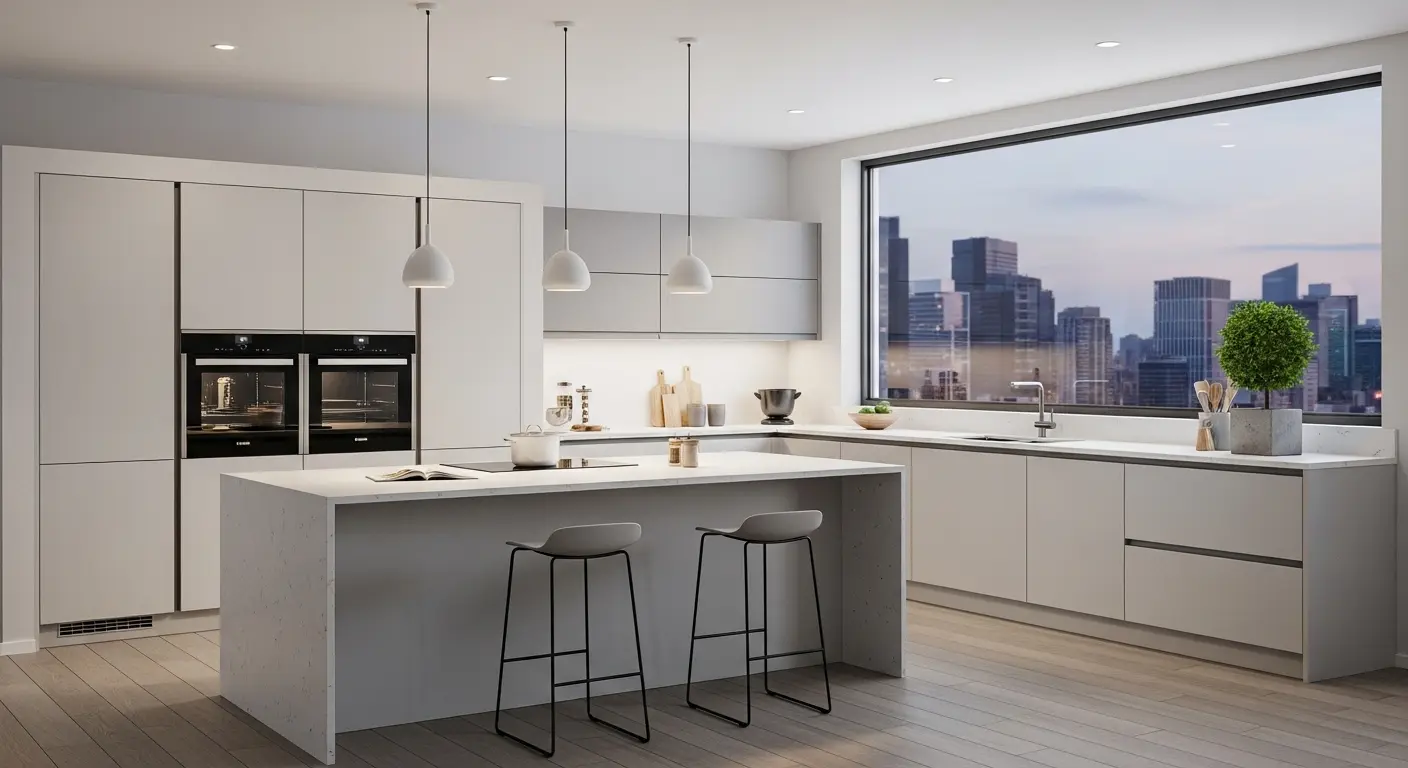
If you have been looking at kitchen designs on social media or in design magazines, you have noticed one pattern. Clean lines, flat panels, handle-free doors, and soft-close drawers are showing up in more kitchens than ever before. This is the influence of European cabinetry, and it is not slowing down anytime soon.
Whether you are planning a kitchen for a restaurant, a hotel suite, or your own apartment, European kitchen cabinets in NYC are becoming the go-to option for designers, architects, and property owners across the city.
But what is driving this shift? And why are so many people choosing European-style cabinets over traditional American ones? Let’s discuss this in detail.
What Makes European Kitchen Cabinets Different from Traditional Ones
If you place a European cabinet next to a traditional American cabinet, you will notice the difference right away. It is not about one being better than the other in every case. It is about what each one is built for.
Construction Style
Traditional cabinets use a face frame. This is a wooden frame attached to the front of the cabinet box. It adds strength, but it also reduces the interior opening of the cabinet. European cabinets skip the face frame. The doors attach directly to the box, giving you a wider opening and a cleaner look.
Hardware and Hinges
European cabinets use concealed hinges. You will not see any hardware on the outside. This gives a very smooth, uninterrupted surface. Many traditional cabinets use exposed hinges and visible handles.
Storage Efficiency
Because European cabinets do not have a face frame, the interior space is larger. This means you can fit wider pull-out trays, deeper drawers, and more organized inserts. For commercial kitchens where storage is critical, this is a deciding factor.
Material and Finish
European manufacturers tend to use engineered wood, lacquered MDF, laminate, glass, and metal finishes. These materials hold up well in high-traffic environments and are easier to maintain than solid wood in many commercial applications.
Why Commercial Spaces Are Switching to European Cabinets in NYC?
Most of the demand for European kitchen cabinets in NYC is not coming from homeowners alone. Commercial clients are driving a large part of this shift. The commercial application segment in the European cabinet market is projected to grow at a CAGR of 5.7% between 2026 and 2034, fueled by hospitality expansion, urbanization, and institutional modernization.
Here is why commercial spaces prefer European cabinetry:
- Restaurants and cafes need cabinets that can handle heat, moisture, and constant opening and closing without wearing out. European laminate and lacquer finishes resist scratching and moisture damage.
- Hotels and serviced apartments need a modern look that appeals to guests. Frameless cabinets with integrated handles create a clean, upscale feel without heavy maintenance.
- Office pantries and break rooms benefit from the modular construction of European systems. You can configure them for tight spaces and add or remove units as the layout changes.
- Co-living and co-working spaces are growing across NYC. These spaces demand durable, space-saving cabinetry that can serve dozens of users without showing signs of wear within the first year.
If you are managing a commercial property in New York and want a kitchen space that holds up under pressure, European-style cabinets are worth considering for your next kitchen remodeling project.
How European Cabinets Fit into NYC Apartments and Homes
For homeowners, the appeal is a bit different but still strong. NYC apartments are known for their limited square footage. A standard one-bedroom in Manhattan may have a kitchen that is under 60 square feet. In a space that is small, every cabinet door, every drawer, and every shelf needs to work harder.
Maximizing Small Kitchens
European cabinets are built with small spaces in mind. The frameless design gives you more usable interior space. Pull-out pantry units, corner carousels, and integrated dividers help you organize without clutter.
A Clean Look That Opens Up the Space
Flat-panel doors without visible handles create a visual flow that makes a small kitchen feel less cramped. When the cabinetry blends into the walls, the eye does not stop at every door and knob. The space feels larger than it is.
Long-Term Value for Homeowners
If you are renovating your apartment to sell or rent, European kitchen cabinets in NYC add visible value. Buyers and renters notice modern kitchens, and European-style cabinetry signals quality. A well-done kitchen renovation can return a significant portion of the investment when the property goes on the market.
Sustainability and European Cabinetry
Sustainability is not just a buzzword in the European manufacturing world. It is built into the production process.
European consumers are moving toward painted MDF with smooth edges that suit frameless furniture trends, and many European manufacturers source wood certified under FSC and PEFC programs. These certifications meet CARB and TSCA Title VI emission standards, aligning with green building programs preferred by developers and institutional buyers.
For commercial projects in NYC that need LEED certification or want to meet green building codes, European cabinets offer a clear advantage. The materials are low-emission, the production processes are energy-efficient, and many components are recyclable.
Common Concerns About European Kitchen Cabinets
Some people hesitate when they hear European cabinets. There are a few common concerns that come up, so it is worth addressing them.
Are They More Expensive?
European cabinets can cost more upfront than stock American cabinets. But when you compare them to semi-custom or custom traditional cabinets, the price gap narrows. And when you factor in durability, lower maintenance costs, and the extended lifespan of quality European materials, the total cost of ownership often comes lower.
Are They Hard to Install?
European cabinets use a standardized mounting system with adjustable legs and rail-based hanging systems. This makes installation faster and more precise compared to traditional face-frame cabinets that need shimming and leveling. For commercial projects with tight timelines, this is a major advantage.
Can They Handle Heavy Use?
European hinge systems and drawer slides are built for high-cycle use. A quality European soft-close hinge is rated for 50,000 or more open-close cycles. That means years of heavy daily use in a commercial kitchen or a busy household.
What to Look for When Choosing European Cabinets in NYC
Not all European-style cabinets are the same. Some are mass-produced imports that look European on the surface but cut corners on materials and construction. Others are crafted by well-known European brands with decades of manufacturing experience.
Here are the things you should check:
- Hinge quality: Look for brands like Blum or Hettich. These are industry-standard European hinge and drawer slide manufacturers.
- Box material: The cabinet box should be made from moisture-resistant particleboard or plywood, not raw MDF.
- Edge banding: Good European cabinets have seamless edge banding with no visible seams or peeling.
- Finish type: Lacquered, thermofoil, and high-pressure laminate finishes each have different strengths. Ask which one works best for your space and usage level.
- Certification: Check if the cabinets meet emission standards like CARB Phase 2 or the European E1 standard for formaldehyde.
Also read: Modern vs Traditional Kitchen Design: Which Is Right for You?
The Role of Design in Getting European Cabinets Right
Buying European cabinets is one thing. Installing them in a way that fits your space, workflow, and style is another. This is where working with a professional interior designer in NYC is the best choice.
A good designer will consider:
- The layout of your kitchen and how traffic flows through it
- The placement of appliances and how they integrate with the cabinetry
- Storage needs based on how you use the kitchen, whether it is for a restaurant, an office, or a home
- Material selection based on the environment, including humidity, heat, and expected daily use
European cabinets offer a lot of configuration options. Without professional guidance, it is easy to miss opportunities for better storage or to choose finishes that do not hold up well in your specific setting.
Why This Trend Will Keep Growing in NYC
NYC is a city that moves fast. Spaces change hands, properties get renovated, and design standards keep rising. European kitchen cabinets in NYC fit this environment because they are modular, durable, and visually current.
More than half of new homeowners now opt for modular kitchen layouts, driven by convenience, ease of installation, and customization options. The commercial sector is following the same path, with hotels, offices, and mixed-use developments choosing European cabinetry for its flexibility and performance.
As property owners and managers look for ways to reduce long-term maintenance costs while keeping their spaces modern, European cabinets will continue to gain ground.
Get Started With Your Kitchen Project
If you have been thinking about upgrading your kitchen, whether it is for a commercial property or your own home, now is a good time to explore your options. The longer you wait, the more you spend on repairs, replacements, and outdated designs that do not serve you well.
Cucine Design NYC specializes in European-style kitchen design for both residential and commercial clients in New York City. With over 37 years of collective industry experience and partnerships with leading European brands like TM Italia and Bria, the team brings design, material selection, and production together under one process.
You can walk into the showroom, talk to a design consultant, and start planning your project with a free estimate. No pressure, no obligation.
Contact us today and take the first step toward a kitchen that works as hard as you do.