
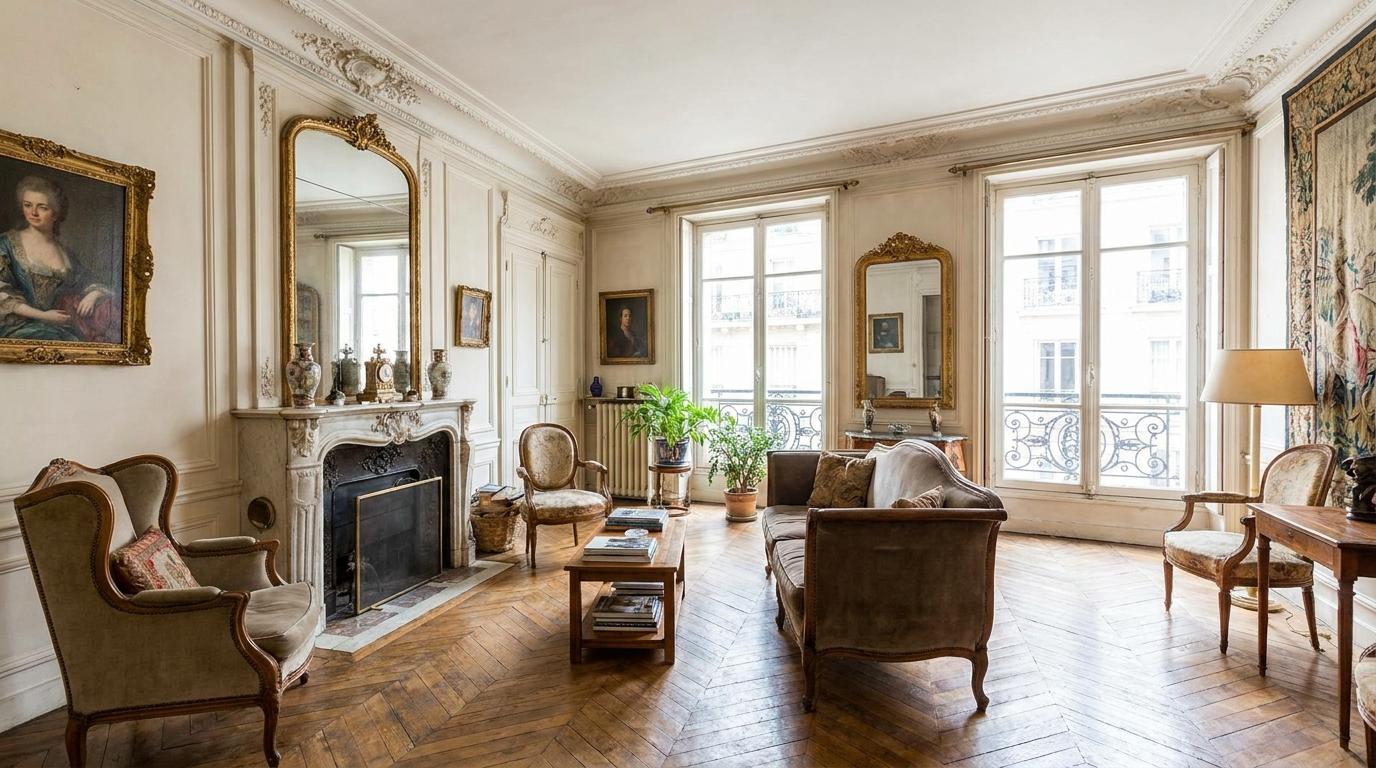
Scroll through a design board on Pinterest or open a glossy interiors magazine, and the same kind of room keeps stopping you: calm, uncluttered, elegant without trying too hard. That is European-style interior design at work. The look rests on a mindset rather than a trend. Fewer pieces chosen with care, real craftsmanship, and finishes built to outlast fashion.
For anyone weighing up interior design in NYC, this approach opens the door to a home that feels beautifully considered yet genuinely lovable.
What European-Style Interior Design Really Means
European-style interior design draws on centuries of tradition across the continent, from Italian craftsmanship to Scandinavian restraint. The style pairs beauty with function, creating rooms that look stunning while working easily for daily life. Premium natural materials, clean lines, and lasting quality set it apart from disposable, trend-chasing decor. Rather than filling a room, European design keeps it pared back, letting a few exceptional pieces do the work while the rest of the space has room to breathe. Given that we spend close to 90% of our lives indoors, a home worth being in is less a luxury than a daily comfort.
A Short History of European Interior Design
The style is the product of five centuries of change, and each era left something behind that still shapes European rooms today.
- The Renaissance (14th to 17th century): Italy revived classical ideals of symmetry and proportion, treating interiors as works of art.
- Baroque and Rococo (17th to 18th century): France and Italy embraced grandeur and gilding, later softened into the lighter, ornamental Rococo.
- Neoclassicism (late 18th century): Taste swung back toward restraint, clean classical lines, and understated elegance.
- The Bauhaus (1919 onward): Germany launched modernism with one radical idea and that form should follow function.
- Scandinavian modernism (mid-20th century): The Nordic countries fused minimalism with warmth and light-filled, democratic design.
Today's interiors pull from all of these at once. A single room might hold Renaissance craftsmanship, Bauhaus discipline, and Scandinavian warmth without any tension between them.
Did You Know?
The word "bespoke," now shorthand for luxury, comes from British tailoring on London's Savile Row. In European design, it means something made to order for one client and one space, the opposite of mass-produced furniture, and a big reason the style feels so personal.
Read More: What Does a Full-Service Interior Design Package Include?
What Makes European Interior Design Different?
Four qualities separate European interiors from other approaches. Read together, they explain why the style feels both grand and grounded.
Balance of Old and New
European rooms rarely look brand new or strictly antique. The charm lives in the mix, an heirloom cabinet next to a modern sofa, or a sleek kitchen fitted into a period building, and that contrast gives a space a depth no showroom set can copy.
Natural Materials and Textures
Texture does the heavy lifting in European design. A plain, neutral room still feels rich because of what it is made from:
- Stone, timber, and lime plaster
- Linen, wool, and other natural fibers
- Finishes left raw enough to show their grain
Functional Yet Elegant Spaces
Beauty and practicality work as partners here, never against each other. A built-in wall of storage or a table scaled exactly to its room proves the point, showing that a single piece can be useful and lovely at the same time.
Timeless Colors and Finishes
Anything likely to date gets left out. Muted palettes, natural finishes, and classic proportions keep a space looking right for decades, which is what makes the whole style read as effortless rather than staged.
Key Elements of European-Style Interior Design
A handful of building blocks appear in almost every European room. Master these, and the look falls into place:
- Neutral and earthy color palettes: Warm whites, greige, soft grey, and natural tones as a foundation
- Natural wood and stone: Oak, walnut, marble, and limestone that add warmth and permanence
- Classic architectural details: Molding, paneling, arches, and herringbone floors that frame a room
- Quality furniture with simple lines: Fewer, better pieces with clean, considered silhouettes
- Layered lighting: A sculptural statement fixture backed by softer ambient sources
- Textiles and soft furnishings: Linen, wool, and natural fibers that add comfort and texture
- Art and decorative objects: A few meaningful pieces rather than a crowded display
Popular European Interior Design Styles
European design is a family of regional styles, each shaped by its own climate, history, and way of living. Here are the six most sought-after.
French Interior Design
French interiors are where romance meets restraint. Classic Parisian apartments layer ornate architectural details over a soft, muted palette, then let a single antique or gilded mirror carry the drama.
- Classic French: Crown molding, herringbone floors, chandeliers, and refined antiques
- French Country: Weathered wood, linen, and provincial warmth
- The feel: Effortless, lived-in elegance
Italian Interior Design
Italian style is confident, luxurious, and famous for leading the world in kitchen design. Handcrafted cabinetry and engineering meet true artistry, and bold materials take center stage. Marble, lacquered surfaces, and statement islands define the look, with a flair for drama that always feels intentional rather than excessive.
Scandinavian Interior Design
Scandinavian style answers long northern winters with light, warmth, and simplicity:
- Pale woods such as oak, ash, and birch
- A base of white and soft, muted tones
- Cozy textiles like wool, sheepskin, and linen
- Clean, functional forms with nothing wasted
- The clutter-free calm the Danes call hygge
Spanish Interior Design
Spanish interiors are warm, rustic, and rich with texture. Think hand-painted tiles, wrought iron, exposed wooden beams, and thick plaster walls, all rooted in a relaxed, earthy sensibility. Bold decorative accents and terracotta tones give the style its character, balancing rugged materials with real craftsmanship.
Mediterranean Interior Design
Mediterranean design carries the warmth of the Spanish, Greek, and southern Italian coasts indoors. Sun-baked colors, tactile natural surfaces, and a relaxed mood define the look. Signature elements include terracotta tile, natural stone, textured lime plaster, wrought iron, and gentle arches, all in tones drawn from sand, clay, and olive groves.
Modern European Interior Design
Modern European design keeps the craftsmanship and quality while dropping the ornament. Clean lines, minimal palettes, handle-less cabinetry, and the sleek Italian and German look define this direction. Best suited to anyone who wants a contemporary, clutter-free home that still feels warm and well-made.
Design Tip
You do not need to commit to one region to get the look. Begin with a neutral base, add one exceptional natural material, then edit without mercy. A single marble surface or a beautifully made oak cabinet does more than a room full of accessories.
How to Create a European-Style Interior
Building the look is less about spending more and more about choosing better. Work through these steps in order:
- Start with a neutral foundation: Set walls, floors, and large pieces in warm, muted tones as a calm backdrop.
- Mix modern and vintage pieces: Pair one older or antique find with contemporary furniture for depth.
- Add natural materials: Bring in stone, wood, and natural fibers wherever the budget allows.
- Choose timeless furniture: Favor clean lines and quality over trend-driven shapes.
- Layer textures: Combine linen, wool, timber, and stone to make a neutral room feel rich.
- Keep décor intentional: Display a few meaningful objects rather than filling every surface.
Applied gradually, these bring the style together without a full renovation. Patience and restraint are what create the European feel.
European-Style Interior Design Room by Room
The style adapts to every room, shifting its focus to match how you actually use the space.
Living Room
This is the room you truly live in: movie nights, friends dropping by, slow Sunday mornings. European living rooms are built for exactly that, comfortable without ever looking cluttered. A few quality pieces carry it:
- A well-made sofa in a natural fabric like linen or wool
- A natural-fiber rug to warm the floor
- Layered lighting, from a floor lamp to a soft overhead glow
- One or two personal pieces, a bit of art or an heirloom, and nothing more
Leave a little space around the furniture, and the whole room feels calmer.
Kitchen
Walk into any party, and everyone ends up in the kitchen. European design leans into that, treating the kitchen as the heart of the home rather than a room to hide away. It also happens to be the project homeowners are happiest with once it is done, earning a top satisfaction score among home upgrades.
What Sets a European Kitchen Apart
- Cabinetry: Handleless, flush fronts for a clean, seamless look
- Appliances: Integrated and tucked behind matching panels
- Surfaces: Natural stone counters and a quality backsplash
This is exactly the work professionals like Cucine Design Co. focus on, crafting European kitchens for homes across the city.
Bedroom
European-style bedrooms focus on simplicity, comfort, and natural materials. Neutral colors, linen bedding, wood, and soft textiles create a clean, balanced look. Layered lighting adds warmth, while built-in or concealed storage keeps clutter out of sight. Simple furniture and minimal décor complete the space without making it feel bare.
Bathroom
Think of the bathroom as your own small spa, where a plain, functional room becomes something quietly luxurious. Here is how the European approach handles it:
The European Approach
- Materials: Natural stone, marble, and warm timber accents
- Fixtures: Sculptural taps and a clean-lined vanity
- Storage: Concealed, keeping every surface clear
- Lighting: Soft and layered, for a calm, spa-like glow
Even a compact bathroom pulls this off, since the look rests on quality rather than square footage.
Dining Room
This is where the long dinners and real conversations happen. European dining rooms are made for lingering, built around a solid timber or stone table and seating you are happy to stay in for hours. A statement light overhead sets the mood, and a few refined touches finish things without crowding the table.
- The rule: One great table, room to linger, nothing extra.
Best Colors for European-Style Interiors
Color in European design stays restrained and cohesive, built on a natural, earthy foundation. The most reliable choices include:
- Warm whites and soft creams
- Greige, taupe, and mushroom tones
- Soft grey and stone shades
- Sage, olive, and muted greens
- Terracotta and warm clay tones
- Deep navy and charcoal as accents
- Natural wood and marble tones throughout
Color usually arrives through materials rather than paint, which keeps a room calm. One considered accent goes further than a bright, busy palette.
Best Materials for European Interior Design
Materials are where the style truly shows its quality. European interiors lean on natural, tactile, and enduring finishes:
- Marble, limestone, and travertine
- Solid oak, walnut, and other fine timbers
- Natural lime plaster and textured walls
- Linen, wool, and natural-fiber textiles
- Brass, brushed nickel, and wrought iron
- Ceramic and terracotta tile
The pull toward natural materials keeps growing, with wood recently overtaking white as the most popular kitchen finish. Chosen well, these give a room depth and permanence, and craftsmanship matters far more than quantity.
European Interior Design vs Modern Interior Design
The two overlap, though they are not the same. The table below sets them side by side.
European Design
- Roots: Centuries of tradition across regions
- Materials: Natural stone, timber, plaster
- Palette: Warm, earthy neutrals
- Feel: Timeless and layered
- Ornament: Craftsmanship and detail
Modern Design
- Roots: A specific 20th-century movement
- Materials: Glass, steel, concrete, engineered materials
- Palette: Cool, stark, high-contrast
- Feel: Sleek and minimal
- Ornament: Stripped-back simplicity
European design can be modern, though it always keeps warmth and craftsmanship at its core. Pure modern design leans cooler and more minimal by comparison.
Common Mistakes to Avoid With European-Style Interiors
Even a good eye can trip up on a few things. Steer clear of these to keep the look authentic:
- Choosing quantity over quality: A crowded room undoes the whole philosophy
- Skipping natural materials: Synthetic lookalikes rarely carry the same depth
- Overdoing the palette: Too many competing colors break the calm
- Ignoring proportion: Oversized furniture overwhelms a compact space
- Matching everything too perfectly: A little contrast is what gives the style life
- Following trends too closely: European style is meant to outlast them
Avoiding these keeps a space feeling considered rather than cluttered. When in doubt, remove one thing rather than add another.
How to Make European Interior Design Feel Modern
Traditional European style can lean formal, though a few moves keep it fresh and current. Pair classic architectural details with contemporary furniture, and let clean-lined modern pieces balance any ornate elements. Stick to a tighter, more minimal palette, choose handle-less cabinetry and streamlined fixtures, and go easy on accessories. The aim is to keep the craftsmanship and warmth while letting the room breathe, which is exactly how the modern European look is built.
A Quick European Design Glossary
- Hygge (Danish): A mood of cozy, contented calm.
- Patina: The character a natural material earns with age.
- Handle-less: Flush cabinetry opened by a groove or push, for a seamless look.
- Bespoke: Made to order for one space, the hallmark of true European craft.
European-Style Interior Design Ideas for Different Home Sizes
The style scales to whatever square footage you have, adjusting its emphasis as the space grows.
Small Apartments
Compact spaces reward European thinking most. Built-in storage, handleless cabinetry, a neutral palette, and a single statement material make a small footprint feel open and refined, which is why the style suits interior design in NYC especially well, where every inch counts.
Mid-Size Homes
With more room to work, layering comes into its own. Zones defined by rugs and lighting, a mix of modern and vintage pieces, and a few quality furnishings per room create richness without crowding.
Large Homes
Bigger homes can carry grander gestures, from dramatic stone to bold architectural detail. The same discipline still applies, since restraint and quality keep even a large space feeling intentional rather than overdone.
Is European-Style Interior Design Right for Your Home?
European style suits anyone who values quality, longevity, and a calm, uncluttered home over fast, disposable trends. The style works across apartments and houses alike, adapts to both classic and contemporary tastes, and rewards a considered, invest-in-fewer-things approach. For interior design in NYC in particular, where space is tight and quality holds its value, few approaches offer this much luxury with this little clutter. If a home that feels timeless rather than trendy appeals to you, European design is a natural fit.
Also Read: What Is European Home Design and Why Is It So Popular in NYC?
FAQs
What is European-style interior design?
It is a design approach rooted in centuries of European tradition, defined by quality craftsmanship, natural materials, clean lines, and timeless neutral palettes. The guiding principle is quality over quantity, creating refined, functional spaces that last rather than chase trends.
What colors are common in European interior design?
Warm whites, greige, taupe, soft grey, and stone tones form the foundation, accented with muted greens, terracotta, navy, or charcoal. Color usually comes through natural materials rather than bold paint, keeping rooms calm and cohesive.
What furniture works best with European interior design?
Quality pieces with clean, simple lines work best, ideally in natural materials like solid timber, stone, and linen. Mixing a vintage or antique find with contemporary furniture adds the depth and character the style is known for.
What is the difference between European and Scandinavian design?
Scandinavian design is one branch of European style, focused on light, minimalism, and cozy warmth. Broader European design also spans the ornate French, luxurious Italian, and rustic Mediterranean looks, covering a much wider range of aesthetics.
How can a home look European without feeling outdated?
Pair classic details with modern furniture, keep the palette tight and neutral, and choose streamlined fixtures and handleless cabinetry. Focusing on quality materials and restraint keeps the style timeless rather than dated.
Final Thoughts
European-style interior design is a commitment to living beautifully and sensibly, favoring craftsmanship, natural materials, and timeless restraint over clutter and quick trends. Whether you lean toward sleek Italian kitchens, airy Scandinavian calm, or warm Mediterranean tones, the style adapts to your home, your space, and the way you live. For interior design in NYC, few approaches offer this blend of luxury, longevity, and everyday comfort.
At Cucine Design Co., European design is what we do. Our team combines authentic craftsmanship, premium materials, and a proven four-step process to design kitchens, baths, closets, and full homes across New York. Book a free planning session or visit our NYC showroom at 6 West 20th Street to see what European elegance could look like in your space.